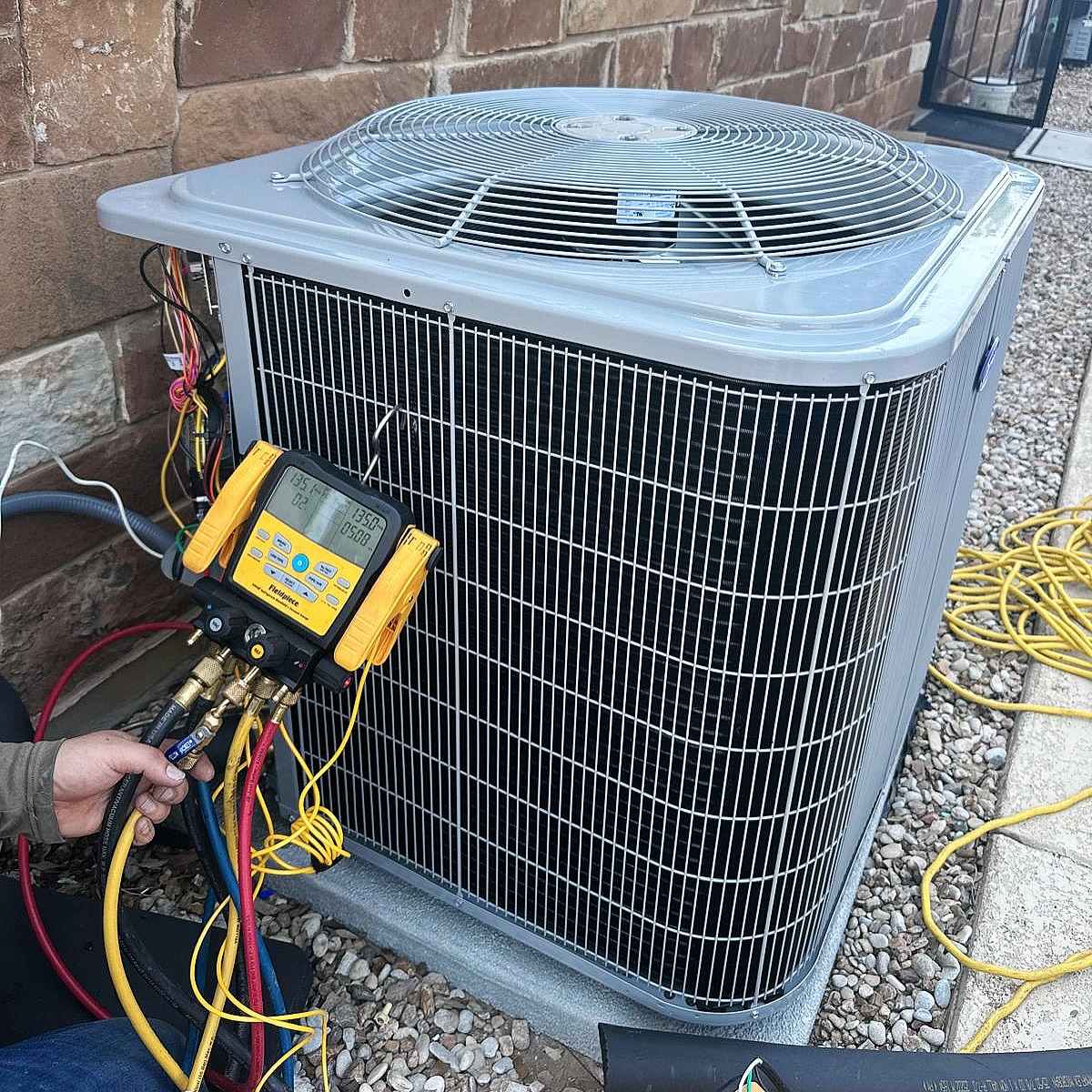
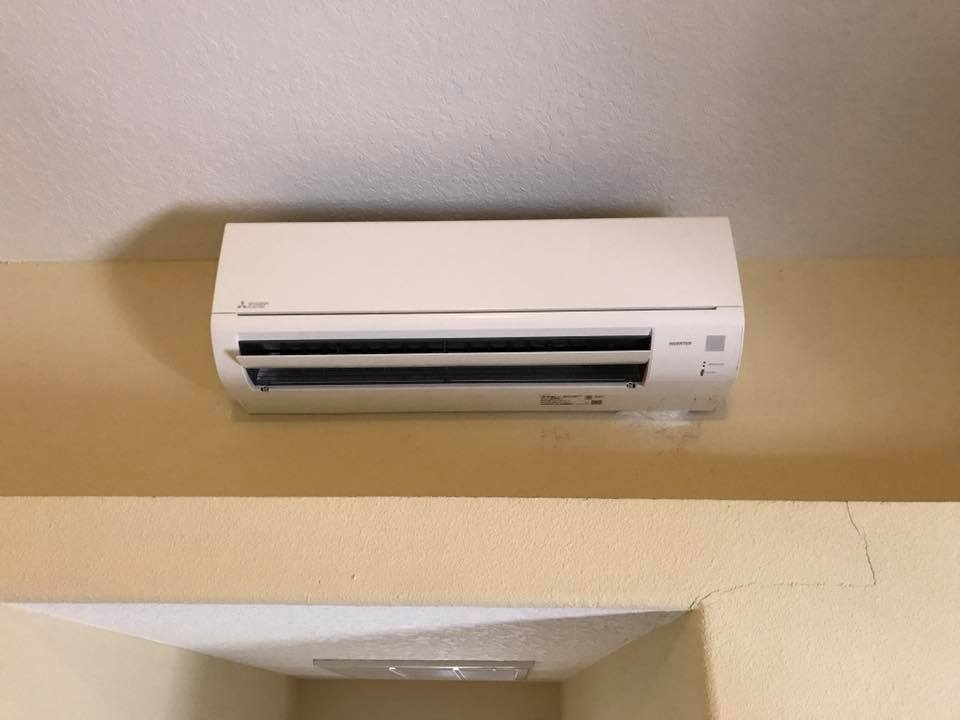
You rely on your air conditioner to beat Bellaire’s heat, but issues like refrigerant leaks, electrical burning smells, frozen coils, clogged drains, and weak airflow can reduce comfort, increase bills, or pose health and safety risks; you should schedule service when your system fails to cool, cycles constantly, produces unusual noises, leaks water, or trips breakers, and prioritize calling a licensed technician-and regular maintenance will improve efficiency and extend your system’s life.
Key Takeaways:
- High humidity and heat in Bellaire increase strain on AC systems-common problems are clogged filters, refrigerant leaks, frozen coils, and compressor issues; call for service if the unit blows warm air, makes hissing/gurgling noises, or won’t start.
- Reduced airflow and dirty coils lower efficiency-schedule professional maintenance when you notice weak airflow, foul odors, or rapidly rising energy bills.
- Electrical or thermostat faults and frequent short cycling indicate deeper problems-contact a licensed HVAC technician immediately for persistent tripped breakers, burning smells, or repeated shutdowns.
Common Air Conditioning Issues
In Bellaire you commonly face problems like insufficient cooling, strange noises, and lingering odors that signal specific failures: refrigerant leaks often reduce cooling capacity by 10-20%, dirty coils can cut efficiency by up to 30%, and clogged drain lines create mold hotspots. Typical signs you’ll notice include higher indoor temps, cyclical short-cycling, or unusual smells; an electrical burning odor or gas smell requires immediate action.
Insufficient Cooling
When your home won’t reach the thermostat setpoint-say you set 75°F but stay at 80-82°F-likely causes include low refrigerant, restricted airflow from a dirty filter or coil, a failing compressor, or a bad capacitor. You should check filters monthly; if the system still takes longer than 30 minutes to cool a room by 5-7°F, schedule service to test pressures, inspect the evaporator coil, and verify capacitor and blower function.
Unusual Noises
Banging, grinding, hissing, or high-pitched squeals each point to different failures: hissing often indicates a refrigerant leak, grinding suggests motor bearing wear, and banging can mean loose mounting or a failing blower wheel. Grinding or electrical popping can signal imminent component failure or safety risk, so you should power down the unit and call a technician if you hear them.
Common repairs tied to noises include tightening loose panels, replacing fan blades, and swapping out motors or capacitors; typical part-plus-labor costs range from about $100 for a capacitor to $400-$700 for a fan motor. In one Bellaire job a persistent rattle turned out to be a loose condenser bracket tightened in 20 minutes, while a repeated grinding required a motor replacement with a two-hour service visit.
Unpleasant Odors
Musty or moldy smells usually come from microbial growth on the evaporator coil or in the drain pan, while a rotten-egg or sulfur scent suggests a gas leak and demands you leave the home and call the gas company immediately. Burning or electrical smells point to overheating wiring or components and should prompt immediate shutdown and professional inspection to avoid fire risk.
Fixes for persistent odors include coil cleaning, clearing the condensate drain, and replacing filters every 1-3 months; installing a UV light in the air handler can cut microbial growth by up to 90%. Typical cleaning or drain-line service runs $75-$300, whereas electrical repairs vary by part-if the smell is burning, shut the system off and contact a licensed technician right away.
Potential Causes of Air Conditioning Failures
Several common failures drive most AC breakdowns in Bellaire: dirty coils and filters, refrigerant loss, motor or compressor wear, and electrical faults. You may see a 20-30% drop in cooling performance or rising bills before a full failure. For early warning signs and when to act, check this Signs Your Air Conditioner Needs Repair, since catching issues early often saves hundreds in replacement costs.
Refrigerant Leaks
When refrigerant leaks, your system loses cooling capacity and cycles longer; expect higher bills and uneven rooms. Older units using R‑22 are more prone to leaks than modern R‑410A systems, and symptoms include hissing noises, oily residue near joints, ice on the evaporator, and pressures below manufacturer spec. A minor leak can cut efficiency by up to 30%, so you should schedule a leak search and certified recharge rather than adding refrigerant yourself.
Electrical Problems
Electrical issues like failed capacitors, bad contactors, loose connections, or tripped breakers often cause intermittent cooling or total shutdowns. Capacitors commonly fail after 8-12 years, and a failed capacitor or motor start device is a frequent reason for a no‑start compressor. If your unit trips breakers repeatedly or you smell burning, shut it off and get a pro-these faults pose a fire and shock risk.
More detailed signs include flickering condenser fan, scorched wire insulation, or visible arcing at terminals; a multimeter check revealing low or no capacitive microfarads confirms failure. Technicians measure line voltages and current draw-excessive amperage suggests motor stress or shorted windings, while loose lugs can raise connection temperatures by 20-40°C. Because live diagnostics are hazardous, you should not test high‑voltage components yourself unless qualified.
Energy Efficiency Concerns
High Utility Bills
If your summer electric bill climbs 20-40% year-over-year, inefficient cooling is likely. Dirty coils, clogged filters, low refrigerant, or a low-SEER unit (8-10 SEER) force compressors to run longer and waste energy. Upgrading to a 14-16 SEER system can cut cooling costs by roughly 20-40%, and routine maintenance – filter checks monthly and annual tune-ups – often reduces consumption by 5-15%.
Frequent Cycling
When your AC turns on and off more than about 6-8 times per hour, that’s short cycling and a sign of trouble. Oversized equipment, thermostat placement, stuck relays, or low refrigerant commonly cause it, and the repeated starts increase wear on the compressor and fan motors. You should log cycle frequency and call a technician if cycles are unusually short or frequent.
Short cycles under 10-15 minutes of run time spike wear and can lead to compressor failure costing $1,500-$3,500. Measure by counting starts per hour during peak load; if you see more than 6-8 starts or runs shorter than 10 minutes, have a pro check refrigerant pressure, thermostat calibration, airflow (filters, ducts), and whether the system is oversized for your home-fixes range from simple thermostat moves to replacing an improperly sized unit.
DIY Troubleshooting Tips
You can handle common issues quickly: check the circuit breaker, swap a dirty air filter, clear debris from the outdoor coil, and test the thermostat batteries; change filters every 1-3 months in Bellaire’s 90-100°F summers. Avoid opening refrigerant lines because refrigerant handling is hazardous and electrical work risks shock-call a pro for those. Perceiving a burning smell or visible leaks requires immediate service.
- Air filter
- Thermostat
- Compressor
- Refrigerant
Air Filter Replacement
You should change your air filter every 1-3 months and check monthly during peak heat; turn the system off, slide out the old filter, note the printed size, and insert a pleated MERV 8-11 replacement with the airflow arrow toward the unit. Too-high MERV ratings can restrict airflow and strain the blower, while swapping a clogged filter can boost efficiency by about 5-15% and help prevent coil icing.
Thermostat Settings
Set your thermostat to 72-78°F based on comfort and cost; avoid dropping the setpoint to speed cooling, replace batteries yearly, and keep the fan on Auto for proper cycling and humidity control. If the system short-cycles or won’t reach temperature, check schedules and wiring before calling a technician.
Compare the thermostat reading to a calibrated digital thermometer placed 3-4 feet away at the same height; if the difference exceeds 2°F, recalibrate or replace the unit. Short-cycling under 5 minutes suggests a control or refrigerant issue, while miswired or line-voltage vs. low-voltage mismatches are common installer errors-if your smart thermostat loses Wi‑Fi or throws error codes, note the code and timestamp for the technician to diagnose faster.
When to Call for Professional Service
If your AC repeatedly fails to reach set temperature, runs nonstop, or your electric bill jumps more than 15% year-over-year, call a pro-especially if the system is over 10 years old or hasn’t had a tune-up in 12 months. Contact immediate service for burning smells, refrigerant hissing, frozen coils, or water pooling, since those indicate electrical, refrigerant, or drainage hazards that can cause larger failures or safety risks.
Warning Signs
Watch for short cycling (on/off cycles under 5 minutes), room-to-room temperature swings greater than 8°F, visible oil or frost on lines, or condensate leaking onto the floor-each suggests refrigerant, airflow, or drain problems. Also act on odd noises (grinding, loud rattles) or repeated breaker trips; those are common precursors to compressor or control-board failure and should be diagnosed before replacement costs escalate.
Choosing a Local Technician
Prioritize technicians who show a valid state license, EPA Section 608 card for refrigerant work, and NATE certification; verify liability insurance and ask for a written estimate plus warranty on parts and labor. Prefer companies with same-day or 24-hour emergency response, local Bellaire references, transparent diagnostic fees (typically $50-$150), and clear maintenance plans.
When vetting bids, request recent Bellaire job references and photos of the work, check Google and BBB ratings for patterns over the last 12-24 months, and confirm insurance and licensing on the spot. Ask whether pricing is flat-rate or hourly and get warranty terms in writing (common parts warranties run 1-10 years). For context, a typical refrigerant recharge in the region runs about $150-$400, while a compressor replacement often falls between $1,200-$2,500-so lowball quotes without documentation can indicate corner-cutting rather than savings.
Keeping Your AC in Top Shape
Regular Maintenance
You should change or inspect filters every 1-3 months; a clogged filter can cut airflow about 15% and raise energy use 5-15%. Clean coils and remove debris from the outdoor unit to maintain proper refrigerant pressures. Have a pro perform a tune-up-typical cost $75-200-which can boost efficiency 10-25% and extend system life 2-3 years. Watch for burnt wiring or repeated breaker trips as signs you need immediate service.
Seasonal Inspections
Schedule spring and fall inspections so your system is ready for Bellaire’s extremes; techs usually spend 45-90 minutes checking refrigerant charge, condenser fins, blower performance, thermostat calibration, and safety controls. They’ll test electrical components and replace failing parts-since a bad capacitor can trigger a $600-$1,200 compressor failure. If you detect refrigerant leaks or burning smells, call before the next heavy-use period.
During an inspection the technician will measure delta-T across the evaporator (optimal 16-22°F), record compressor amp draw, perform leak detection and superheat/subcooling checks, and clear the condensate drain (a clogged drain commonly causes water damage and mold). You’ll get a written report with pressures, temps, and prioritized repairs so you can address issues before they become emergency breakdowns in peak heat.
Conclusion
Air conditioning problems in Bellaire often start small but can escalate quickly due to high heat and humidity. Issues like weak airflow, refrigerant leaks, frozen coils, electrical faults, and short cycling not only reduce comfort but also drive up energy costs and shorten system lifespan. Paying attention to early warning signs such as unusual noises, warm air, rising utility bills, or frequent shutdowns allows you to act before a minor repair turns into a major replacement. With regular maintenance and timely professional service, Bellaire homeowners can keep their AC systems reliable, efficient, and ready for Texas summers.
Trusted Air Conditioning Service in Bellaire, TX
When you need dependable air conditioning service in Bellaire, TX, Global Air Service provides professional diagnostics, repairs, and maintenance designed for local homes and climate conditions. Our licensed technicians understand the demands Bellaire heat places on AC systems and focus on fast, accurate solutions that restore comfort and efficiency. Whether your system is not cooling properly, making unusual noises, leaking water, or driving up your energy bills, our team delivers honest recommendations and quality workmanship you can rely on. Contact Global Air Service today to schedule expert air conditioning service in Bellaire, TX and keep your home cool, safe, and comfortable all season long.